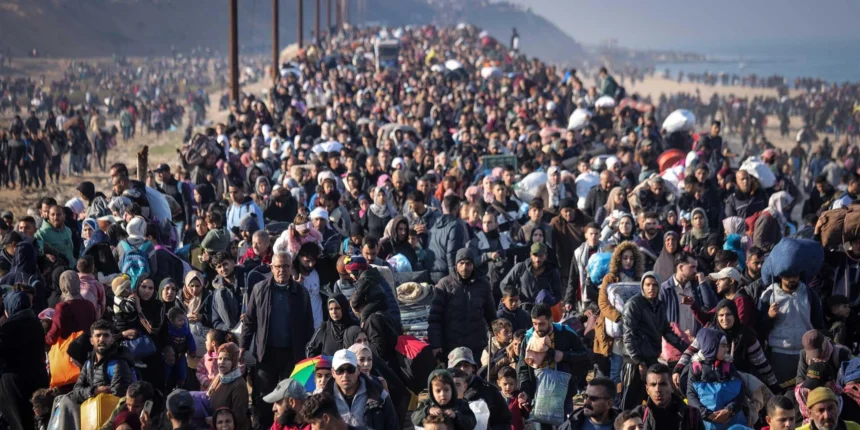
The United Nations has warned that intensifying conflicts across the Middle East are creating a severe humanitarian emergency, with mounting civilian casualties and widespread displacement. Aid officials say escalating violence is overwhelming response systems and worsening conditions for vulnerable populations.
Addressing journalists in New York on March 6, 2026, the UN’s top humanitarian official, Tom Fletcher, said the region is facing a dangerous turning point as multiple crises deepen simultaneously. He stressed that civilians are bearing the heaviest consequences of the renewed hostilities.
Reports indicate that residential areas and critical infrastructure, including hospitals and schools, have been affected across several countries. Humanitarian agencies say the scale of need is rising rapidly as insecurity spreads.
Figures released by UNICEF show that more than 190 children have died since the latest escalation. The fatalities include over 180 in Iran, seven in Lebanon, three in Israel and one in Kuwait.
In Iran, officials have recorded more than 1,000 deaths and damage to over 100 civilian locations. Assessments from the United Nations High Commissioner for Refugees and the International Organization for Migration indicate that roughly 100,000 people have been displaced internally within one week.
UN officials say coordination with Iranian authorities is ongoing, with humanitarian teams positioned to expand assistance if required. Monitoring efforts continue to track population movements and emerging needs.
Lebanon is also experiencing worsening humanitarian pressure. More than 100 people have reportedly been killed and hundreds injured, while an estimated 100,000 residents have moved into temporary shelters.
Prior to the current escalation, the World Food Programme estimated that 874,000 people in Lebanon lacked sufficient food. Relief partners have since distributed large quantities of meals, bedding materials and safe drinking water, while funding mobilization efforts continue.
In Gaza, access limitations have disrupted aid delivery. Border closures slowed the replenishment of relief supplies, intensifying shortages and increasing market prices. Although one crossing has reopened, other key entry points remain closed and medical evacuations are on hold.
Fuel deliveries into Gaza totaled less than one million litres this week, falling short of the minimum two million litres required to maintain essential services, according to humanitarian officials.
Beyond the immediate conflict zones, the UN warned of wider economic and humanitarian consequences. Disruptions to major shipping routes, including the Strait of Hormuz, could affect global supply chains and drive up food and commodity prices.
The organization also cautioned that growing regional tensions may divert attention and resources from other ongoing crises, including those in Sudan, South Sudan, the Democratic Republic of the Congo and Ukraine.
In Afghanistan, clashes near the Pakistan border have left dozens dead, including women and children. More than 16,000 families have fled their homes, adding to millions already displaced. Border restrictions have further hindered aid operations, leaving over 168 supply containers stranded.
Humanitarian agencies say they are expanding operations, stockpiling supplies and identifying alternative logistics routes. Emergency funding channels, including pooled response mechanisms, are being reviewed to support urgent interventions.
UN officials called for immediate de-escalation and renewed diplomatic engagement to prevent further deterioration. They emphasized that protecting civilians and ensuring safe humanitarian access remain urgent priorities.