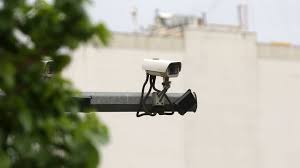
Israel’s national cybersecurity authority has disclosed multiple cases of Iranian-linked hackers infiltrating privately owned security cameras for surveillance activities since the escalation of hostilities in the Middle East. Officials said affected camera owners are being contacted and advised to strengthen their digital security to prevent further breaches.
In a public advisory issued on Monday, Israel’s cybersecurity directorate warned that dozens of intrusions had been traced to Iranian actors. The agency said it is notifying hundreds of device owners while urging the wider public to change passwords and install software updates to reduce national and personal security risks.
Cyber operations have remained a persistent feature of tensions between Iran and Israel in recent years. The digital conflict formed part of a prolonged shadow campaign that later escalated into open confrontations last June and again on February 28.
In December 2025, former Israeli Prime Minister Naftali Bennett disclosed that his Telegram account was targeted in a cyberattack. Hackers claimed access to his mobile device and released private chats, videos and photographs on a website and an affiliated account on X.
Bennett, who is preparing to challenge incumbent Prime Minister Benjamin Netanyahu in this year’s general election, did not confirm the authenticity of all the leaked materials. The platform used for the release was branded after “Handala,” a symbol widely associated with the Palestinian cause.
Cybersecurity analysts say digital operations linked to Iran have intensified since military strikes began. An expert familiar with regional cyber trends noted that activity levels increased alongside kinetic operations.
Israeli cybersecurity firm Check Point reported that, following the launch of a joint United States–Israel offensive on February 28, hackers were detected accessing surveillance camera systems. The firm said such devices are widely deployed but often lack strong protection.
Head of cyber intelligence at Check Point, Gil Messing, said compromised camera feeds were likely used to evaluate strike impacts or to collect intelligence on targeted individuals and locations. He added that the groups involved operate as part of Iran’s military structure and receive state backing, including support from the Islamic Revolutionary Guard Corps and national intelligence authorities.
Separately, the Financial Times reported last week that Israel had accessed a large share of Tehran’s traffic camera network over several years. The report said the surveillance capability supported an operation that resulted in the killing of Iran’s Supreme Leader, Ali Khamenei, on the opening day of the offensive.
Regional cyber hostilities continue to evolve alongside conventional military engagements, with government agencies and private firms increasing monitoring and defensive measures.