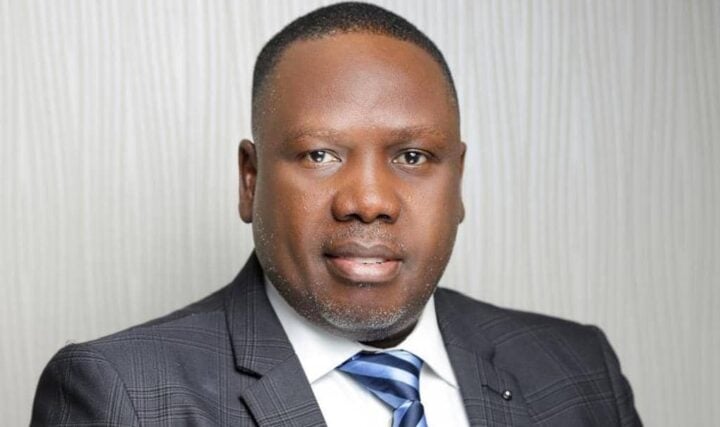
The Special Adviser to the President on Policy Communication, Daniel Bwala, has stated that Nigeria’s security situation is not deteriorating, stressing that the Federal Government is intensifying efforts to manage existing threats. He said the country recorded relative stability in the early years of the current administration while coordinated measures continue to address emerging challenges.
Bwala made the remarks during an appearance on Head to Head, a programme aired by Al Jazeera and hosted by Mehdi Hasan in London. The interview was later published on the programme’s official social media platforms.
Addressing concerns about national security, the presidential aide acknowledged the presence of insecurity but rejected claims that the situation is worsening. He said the government had maintained notable calm during the administration’s first two years before a resurgence of attacks in parts of the country.
Bwala added that security threats are a global issue, noting that no nation is entirely insulated from such risks. He referenced urban safety concerns in major international cities to support his position.
On renewed terrorist incidents, he explained that Nigeria is strengthening international partnerships to improve its response capacity. He cited recent diplomatic engagements, including bilateral security cooperation with Turkey and collaboration with the United States of America and other nations.
According to him, global terrorism has required collective international responses since the September 11 attacks, making cross-border cooperation essential for national security management.
Bwala also criticised what he described as negative portrayals of Nigeria and Africa in sections of Western media. He said differing perspectives often shape how national progress and challenges are interpreted.
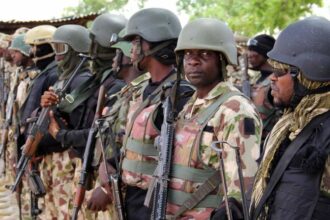
Highlighting counterterrorism actions, he stated that several insurgent leaders had been apprehended or neutralised prior to international commentary on Nigeria’s security record. He added that security agencies intensified operations months before remarks made by former U.S. President Donald Trump regarding insecurity in Nigeria.
He said a national emergency on insecurity was declared around April or May 2025 as part of broader measures to strengthen internal security frameworks.
Responding to concerns over kidnapping, Bwala acknowledged the scale of the problem, describing it as a criminal enterprise that requires sustained intervention. He said the government is confronting complex and evolving security threats across multiple regions.
On school abductions, he noted that authorities introduced protective measures under the Safe Schools Initiative. The programme includes relocating students from remote high-risk communities to safer urban centres to ensure continued access to education.
Recent incidents have renewed public attention on security matters nationwide. Armed groups have carried out attacks on communities and abductions across several states.
In one of the latest cases, suspected terrorists reportedly kidnapped more than 100 women and children in Ngoshe community, located in Gwoza Local Government Area of Borno State. The assault also resulted in the deaths of the town’s chief imam, community elders, and security personnel.
The attack occurred shortly after residents ended their fast on the day of the incident. Authorities have yet to release an official casualty breakdown.